A design festival can do many things.
It can fill a calendar. It can fill a venue. It can create the occasional scheduling crisis and a low-grade but entirely intentional sense of FOMO.
At its best, though, it can do something much bigger.
It can help a city see a community that was there all along.
That idea ran through a recent conversation between Ian Chalmers, founder of DesignMeets and Principal at Pivot Design Group, and Carla Sorrell, Director of Design Victoria Festival.
Now in its fourth year, Design Victoria has become a fixture in the city’s cultural calendar. It brings together designers, studios, students, businesses, visitors, and people who may not call themselves designers but are nevertheless very interested in the chairs, buildings, objects, spaces, systems, and ideas designers tend to fuss over.
The festival now has structure, momentum, returning partners, and an audience large enough that Carla regularly attends events where she barely knows anyone.
For an organizer, this is apparently excellent news.
It means the community no longer needs to be personally summoned.
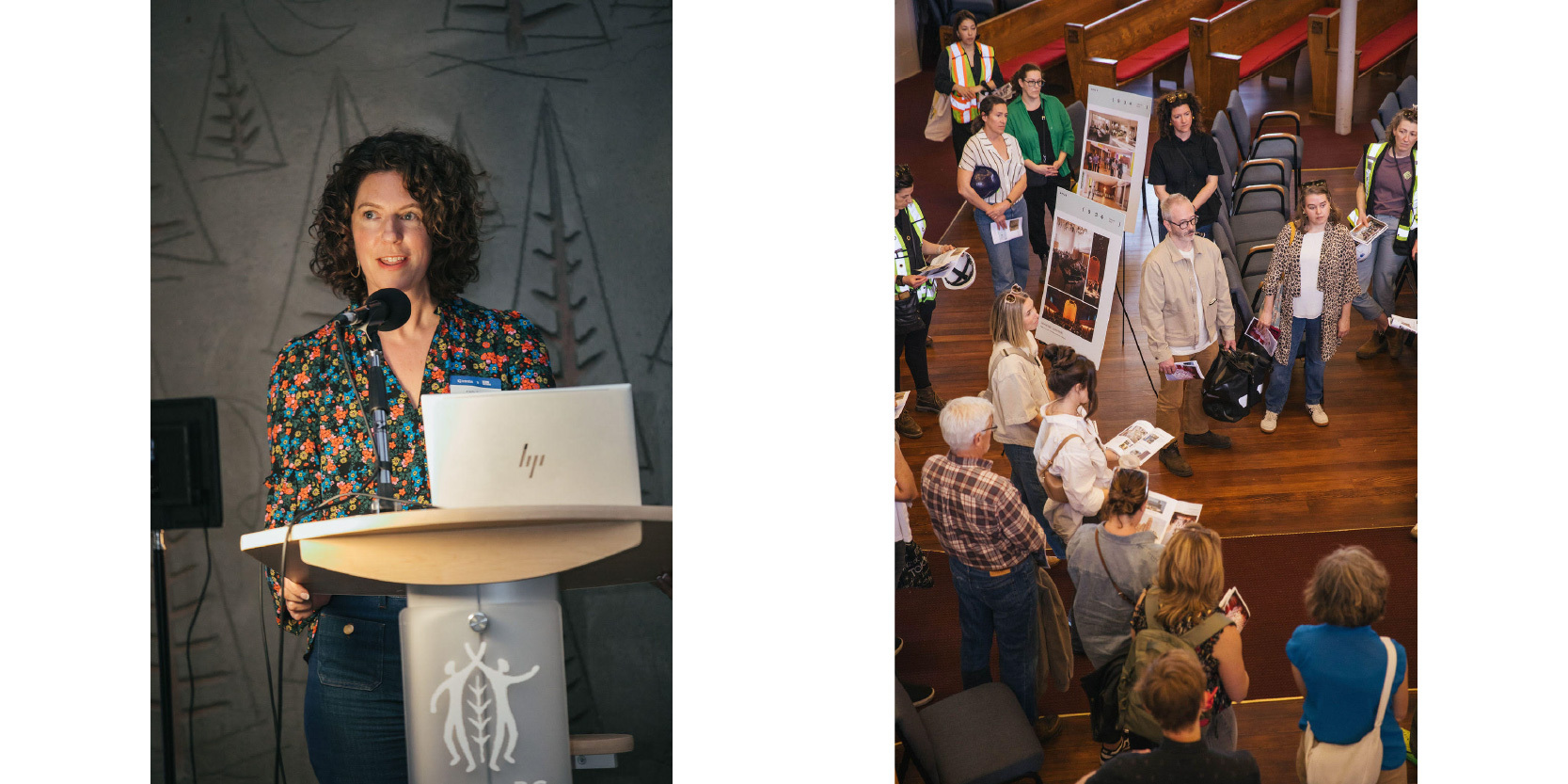
Starting Without a Master Plan
Design Victoria did not begin with a strategic roadmap, a five-year growth plan, or a deeply researched theory of change. It began, in Carla’s words, “off the side of my desk.” At the time, she was working in business consulting and coaching, helping other people clarify goals and build strategies. Her own festival launch was considerably less ceremonious. There was no major case study. No extensive user research. No beautifully colour-coded deck explaining why Victoria urgently required a design festival.
But there was instinct.
Carla had lived in London and experienced what a design festival could do for a city. She had seen how it could animate neighbourhoods, connect practitioners, support business, and make an entire sector suddenly visible.
She knew that kind of energy was missing in Victoria. It was a miss she felt personally… very personally.
After returning to the city in 2020 following 15 years away, Carla felt almost like a newcomer. Victoria was home, but the creative culture she wanted to connect with was hard to find. Design was part of her identity, yet the design sector itself seemed scattered, understated, or simply hiding very effectively.
So she created the thing she wanted to belong to.
The response was immediate.
Carla initially thought the first festival might include four or five events. It grew to nearly 20 and attracted somewhere between 1,000 and 1,500 people. This was either excellent intuition or a serious miscalculation of workload.
Possibly both.
The timing helped. People were emerging from the pandemic and were ready to gather again. But the scale of the response revealed something more important: the community already existed. It simply lacked a focal point.
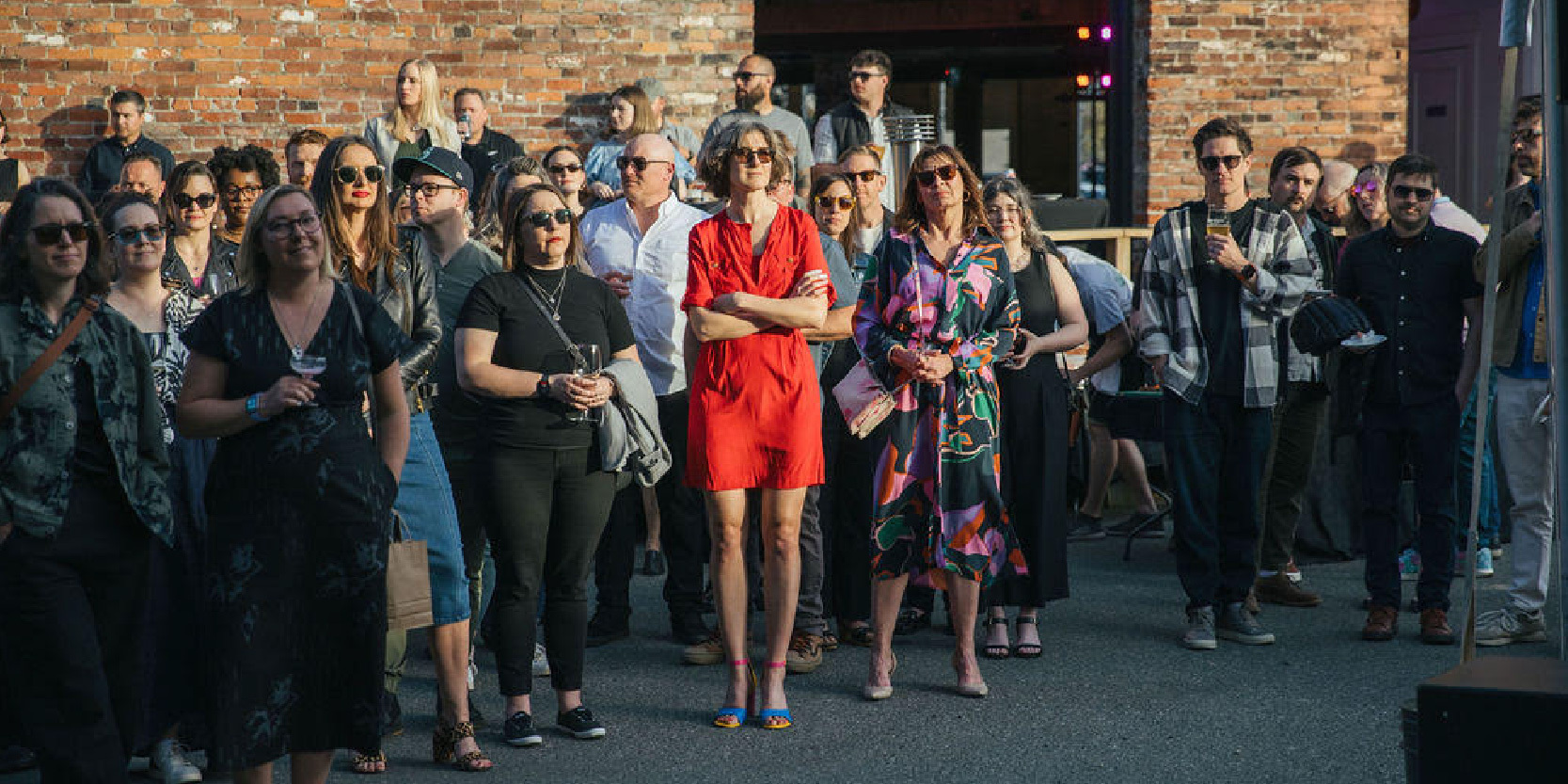
Making a Sector Visible
Carla’s belief in the value of design festivals goes back to her own early experience.
She studied art history in Victoria and worked at the Art Gallery of Greater Victoria, but did not feel she had a clear view of the wider design world. She was interested in fashion, ceramics, art, and creative work generally, but the range of possible design careers was not especially visible.
Then she moved to London.
She arrived during the London Design Festival, picked up a map, and discovered events unfolding across the city. Suddenly, design was not a vague interest or a handful of familiar disciplines. It was an ecosystem.
Industrial design. Product design. Furniture. Architecture. Fashion. Materials. Spaces. Objects. Careers she had never been shown were suddenly everywhere.
That experience continues to shape Design Victoria. One of Carla’s hopes is that the festival gives younger people a similar moment of discovery. Not through a formal lecture entitled “So You Think You Might Like Design,” but through exposure; through experience; through a one-on-one chat with a like minded fellow traveler.
They can meet a furniture designer working from a home studio. They can see how an architect thinks. They can discover that product design is a profession, not just something companies claim happened after a brainstorming session.
This level of discovery matters. People cannot pursue pathways they do not know exist. The festival also helps newcomers and returning residents understand the city more quickly. Designers, architects, contractors, and creative professionals are increasingly directed toward Design Victoria as a place to meet people and find their bearings.
It functions as a welcome mat. A very well-designed welcome mat, presumably.
Designing the Festival Itself
Although Design Victoria began instinctively, Carla now approaches its evolution with a designer’s mindset. She asks for feedback. She studies what worked. She changes what did not. Earlier festivals revealed problems around ticketing, scheduling, and communication. The team invested in improving the user experience – how very design oriented of them – and the complaints gradually shifted away from logistics and toward programming.
This is progress.
When people stop asking where they are supposed to be and start asking for more content, something has gone right. The festival now has a relatively stable format: an opening event followed by three concentrated days of programming. Within that structure, the content changes every year. Carla is clear that she does not want the festival to become “rinse, wash, and repeat.” Some partners return. Certain formats remain. But the program is continually reconfigured to reflect the city, the region, and the issues occupying designers right now.
There have been suggestions that the festival expand to a full week. Carla prefers three days. Dense. Energetic. Slightly overwhelming. Enough time to feel immersed, but not quite enough time to do everything. Which is, in festival terms, a feature.
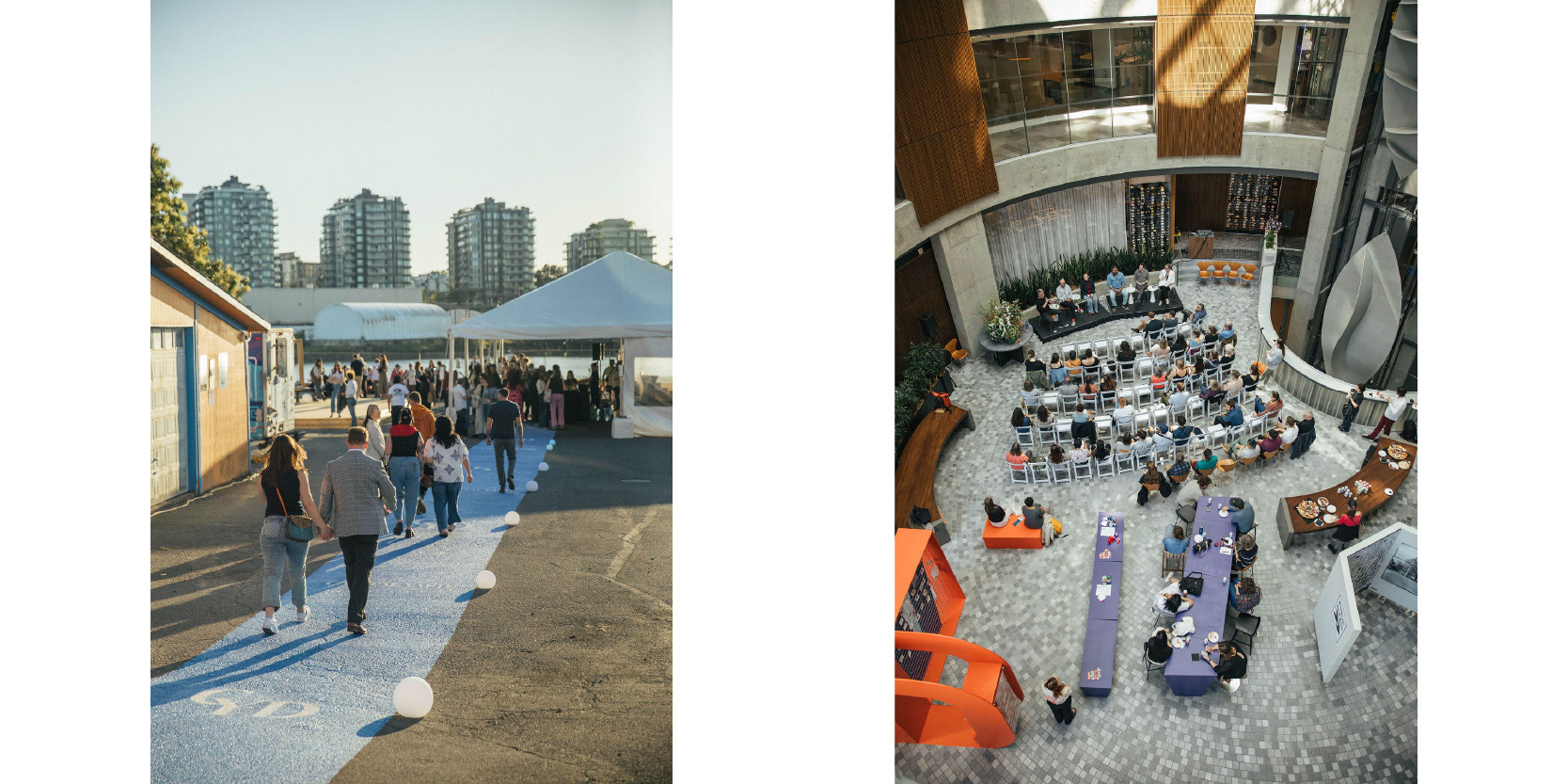
Design Beyond the Big Cities
Ian and Carla’s conversation also widened to consider the role of design communities across Canada.
Carla has visited festivals and design weeks in Calgary and Edmonton, two cities at very different stages in their event histories. What struck her was not how different the cities were, but how often they were grappling with the same questions.
How do downtowns stay relevant when more life happens in neighbourhoods?
How do cities adapt to climate pressures?
How can the built environment reduce carbon?
How can creative industries contribute to economic development and civic identity?
These are national problems, but the work of addressing them is often local. Carla sees growing power in municipalities, regional networks, and smaller design communities. Cities can act as laboratories for practical change. They can test new materials, rethink public space, create connections, and bring together people who might otherwise remain in separate professional silos. Design festivals help make those conversations visible.
They are not the solution to every urban challenge.
That would be a lot to ask of an event with name tags and drink tickets.
But they can create the conditions in which people meet, compare ideas, notice shared problems, and begin working differently.
A Festival as a Signal
Design Victoria also shapes how people perceive the city. Carla shared the example of a Toronto architect with family in Victoria who attended the festival partly to assess whether the city had the kind of creative culture that could support a future move.
That is a revealing role for a design event. Victoria does not need much help advertising its scenery. The ocean, mountains, temperate climate, and highly committed cold-water swimmers have handled that part.
The festival adds another layer. It says there is also a design culture here. There are people making things, building businesses, shaping spaces, exchanging ideas, and contributing to the identity of the city.
That makes Design Victoria part cultural event, part community platform, and part economic development tool. It helps people imagine not just visiting Victoria, but a place where they belong.
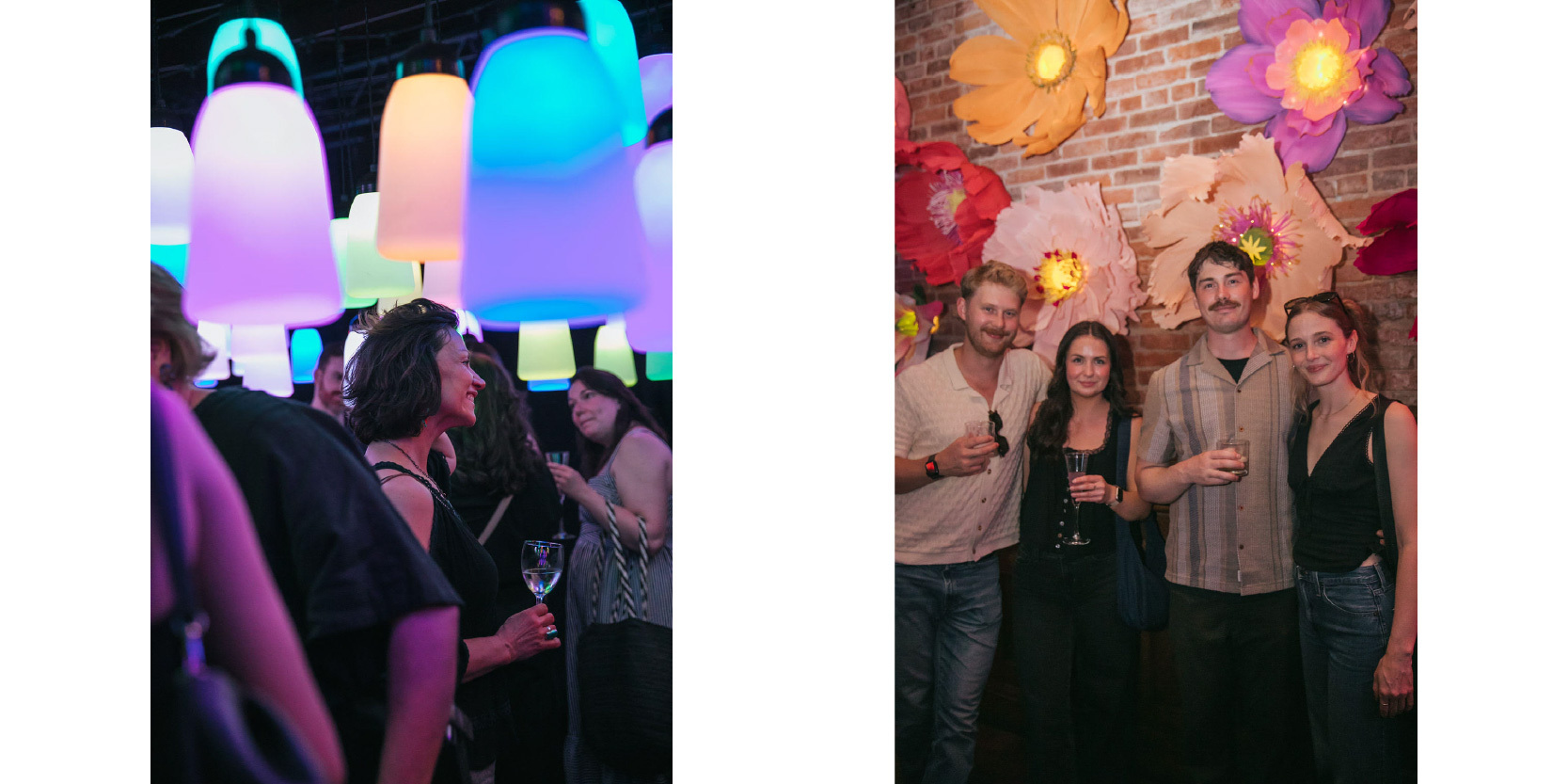
The Community Was Already There
The most compelling thing about Design Victoria is that it did not create a design community from nothing.
It made an existing one easier to see.
The festival gave people a reason to gather, a shared identity to gather around, and a platform through which the city could begin recognizing the depth of its own creative power. It has opened pathways for young people, helped newcomers find their people, strengthened business connections, and brought more visibility to the role design can play in shaping local life.
All because Carla noticed something was missing and decided not to wait for someone else to organize it.
There was no grand strategy at the beginning.
Just a need, an instinct, and a few events planned off the side of a desk.
Four years later, the city is showing up.
Don't miss the next Design Victoria Festival April 29–May 2, 2027
Visit their website to learn more and to get involved